
8th Power Price Forecasting Summit: Key Takeaways from Berlin
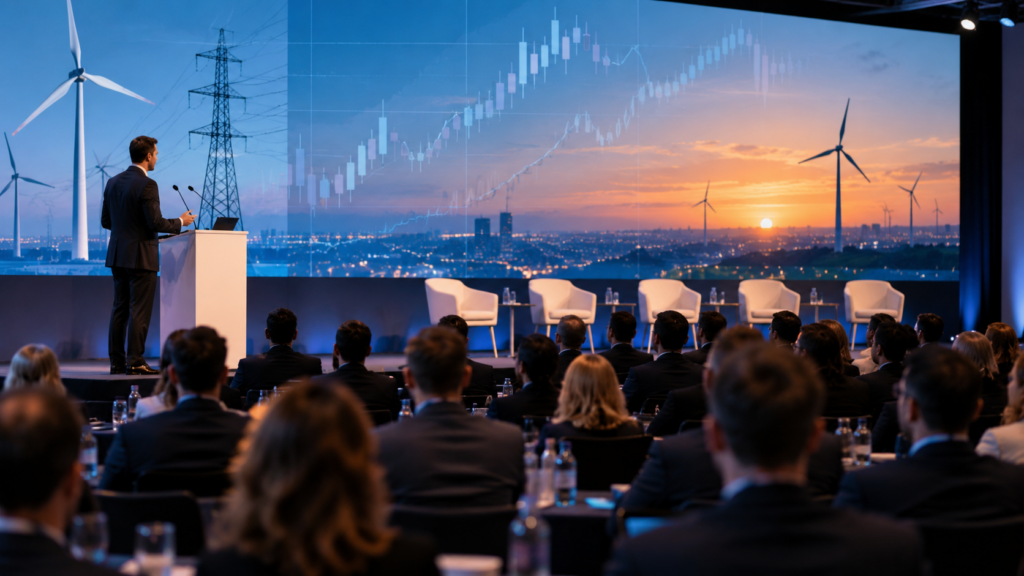
Power markets have become harder to read. Weather, renewables, regulation, cross-border flows and changing demand can all move prices quickly. That makes forecasting more than a modelling exercise. It affects trading, risk management, investment and operational decisions. The 8th Power Price Forecasting Summit brought together experts from utilities, trading companies, power producers, TSOs and DSOs in Berlin on 10-11 September 2026. Across two days, the discussions covered power price drivers, forecasting models, market integration, flexibility, renewable portfolios, gas signals and the use of AI and machine learning in power markets. The 8th Power Price Forecasting Summit also looked at a question that sits behind many of these topics: how can forecasting models remain useful when the market itself keeps changing?
Can AI Beat Traders at Electricity Forecasting?

The European electricity markets are now more unpredictable than ever. Renewable energy, negative prices, cross-border trade, and rapidly changing demand now push prices up every hour. The result is that businesses are turning to electricity forecasting more than ever when making trading and investment decisions. Meanwhile, artificial intelligence has come to market with products that can sift through millions of pieces of data in seconds. That poses an interesting question. Can AI beat traders in times of sudden market shifts, or does human expertise currently still have an edge when the ground around you is moving?
6th Asia Pacific Semiconductor FAB Design Engineering & Construction Summit: Event Highlights
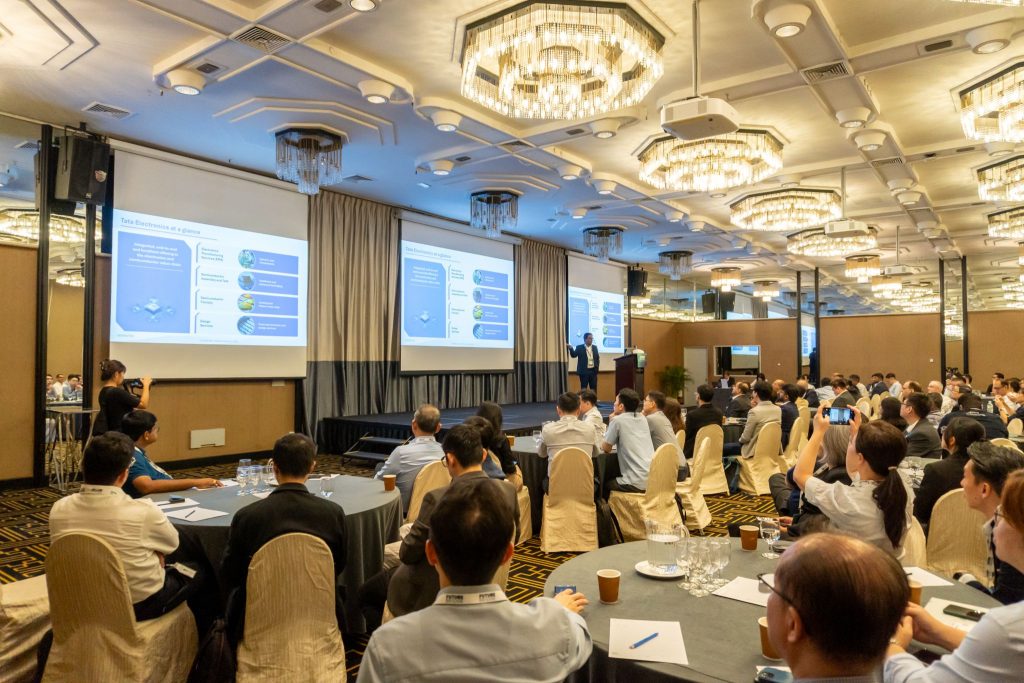
The 6th Asia Pacific Semiconductor FAB Design Engineering & Construction Summit brought together professionals responsible for designing, engineering, constructing, and expanding semiconductor fabrication facilities across the Asia-Pacific region. Over two days in Singapore, the summit focused on facilities, utilities, capital project delivery, and infrastructure that support semiconductor manufacturing. Moreover, the programme featured keynote presentations, technical sessions, sponsor presentations, and panel discussions that explored practical engineering solutions, sustainability, digital technologies, water systems, and project execution for semiconductor fabs.
Europe’s Duck Curve Is Getting Steeper
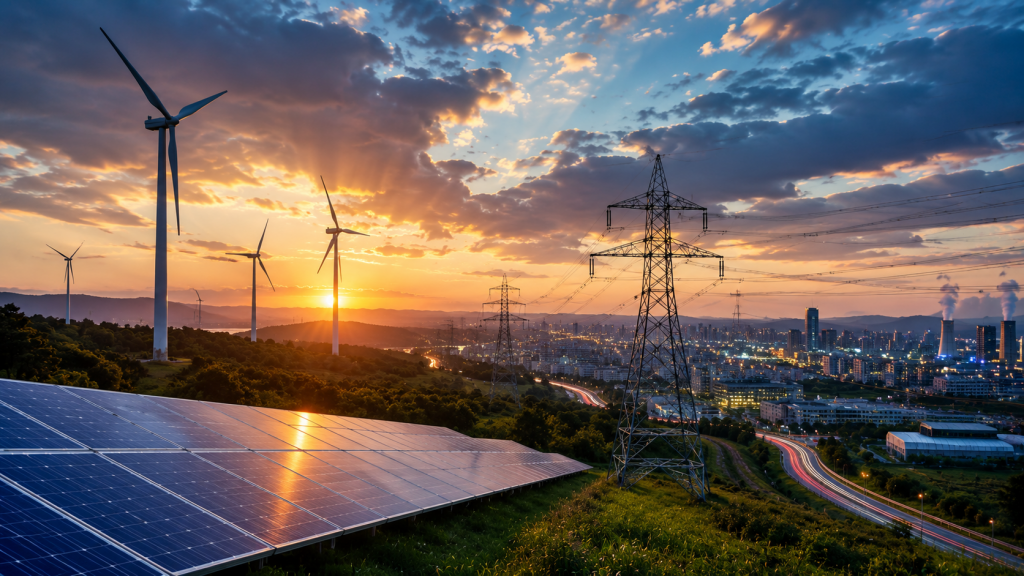
Europe’s Duck Curve is now one of the biggest operational headaches for modern power systems. The term refers to how solar generation changes the pace at which the grid needs to supply electricity over the course of the day. As solar capacity grows, the midday net load is decreasing while the evening demand is increasing dramatically. This pattern results in larger and more sudden fluctuations of electricity flows. As a result, network operators, utilities and power generators now have to react faster than ever before. In this article, discover why Europe’s Duck Curve is getting steeper, what implications it has for daily grid operations and what solutions can help to support a more flexible electricity system.
Germany’s Negative Price Hours Explained
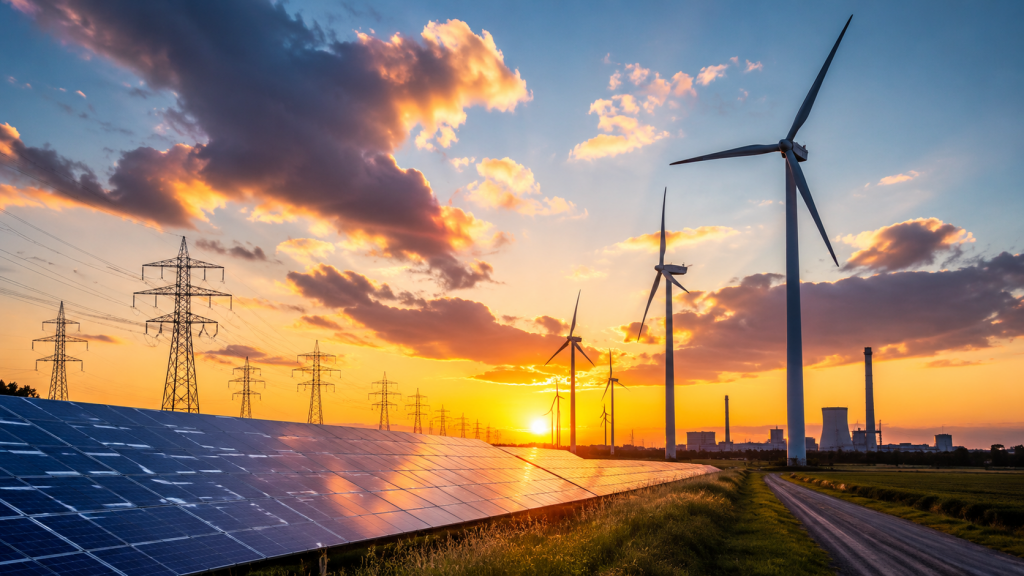
Germany’s Negative Power Price has become a talking point in the European electricity market. What used to happen only a handful of times per year is now much more common. The rise reflects fundamental changes in the way Germany produces, trades and uses power. Rapid renewable growth, changing demand and increasing market collaboration are contributing to this trend. As a result, U.S. utilities, traders, investors and grid operators are increasingly dependent on accurate forecasts. This article describes why Germany has negative price hours, how negative prices come about and what they mean for the future of the European power market.
DATA CENTER INTELLIGENCE – SUMMIT READ-OUT
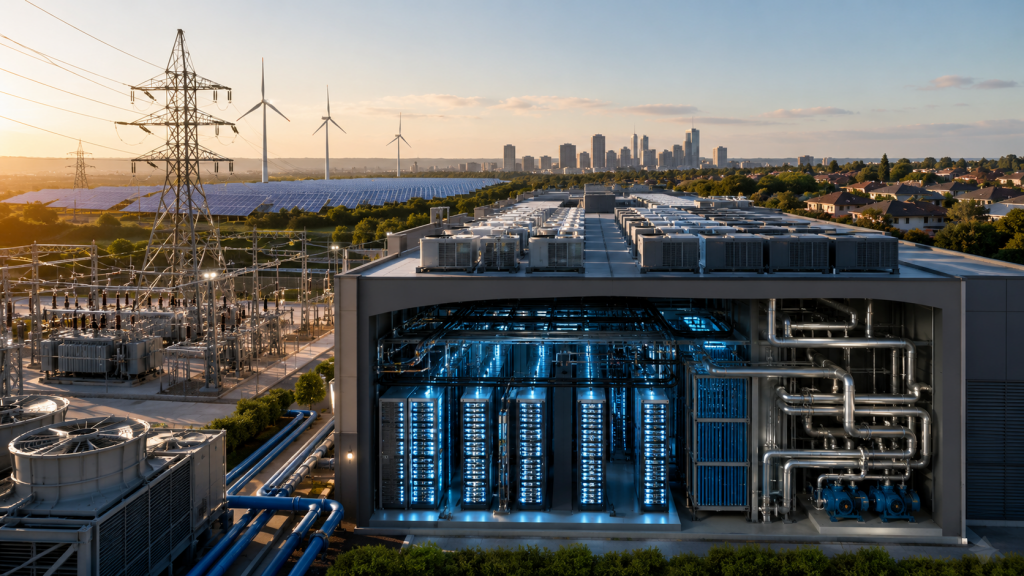
As AI workloads push rack densities to new extremes, data center operators face growing challenges around power availability, cooling, water management, and community acceptance. This summit read-out explores the critical infrastructure, construction, and sustainability trends shaping the future of data centers.
Event Partners: 6th Semiconductor Fabs Design, Engineering & Construction APAC 2026

Asia-Pacific continues to lead global investment in semiconductor manufacturing. As new facilities come online, companies face growing challenges in power supply, water management, environmental compliance, and project delivery. At the same time, demand for advanced chips continues to rise across AI, data centers, automotive, and industrial sectors. Therefore, industry leaders need a platform that focuses on practical solutions and real project experience. The 6th Semiconductor Fabs Design, Engineering & Construction APAC 2026 summit addresses these priorities by bringing together experts involved in planning, building, and expanding semiconductor fabs. This article highlights the event partners helping drive innovation, efficiency, and sustainability across the semiconductor industry.
Why EV Growth Matters for Singapore’s Chip Industry

Electric cars have long since ceased to be a small segment of the auto market. Authorities around the world are incentivizing clean transportation. Car companies are beefing up their EV offerings. Consumers are growing increasingly familiar with electric mobility. Most of the EV growth discussions concentrate on batteries, charging stations, and car companies. But semiconductors are just as essential to the EV universe. All electric vehicles depend on hundreds, and in some cases thousands, of chips to deliver power, process data, maintain connectivity, and ensure safety. The rise in EV adoption is driving demand for semiconductors up with it. This wave is bringing new sidelines all over the global chip industry. And it is providing new growth opportunities for nations that already have strong semiconductor capabilities. Singapore is one of them. The country has established a mature semiconductor industry after several decades. It supports manufacturing, engineering, testing, packaging, and supply chain. So the correlation between EV growth and Singapore’s chip industry development is tightening up.
Can Singapore Become Asia’s Advanced Packaging Capital?

The semiconductor industry is entering a new era. For years, advancement was all about shrinking transistors and cramming more of them on a chip. That approach helped fuel the rapid pace of processor evolution and increasingly powerful devices. Now, the physics and economics of advanced nodes are getting tougher. So semiconductor companies are seeking other ways to boost performance. Complex packaging is now one of the key enablers. Rather than just depending on transistor scaling, the manufacturers now enhance the performance by placing multiple chip components in a single package. This solution enables artificial intelligence, high-performance computing, data centers, and more. The increasing need for high-end semiconductor packaging has led to a new competition. Nations all over Asia are building out packaging capabilities because they view it as a strategic element of the semiconductor value chain. Furthermore, Singapore already has a well-established semiconductor ecosystem and a robust manufacturing base. So, the next question is whether those advantages are sufficient to make it the premier advanced packaging capital in Asia.
Revisiting the 7th Power Price Forecasting Summit

Energy markets are evolving faster than the models we use to observe them. The grid is rapidly moving toward renewables. As such, traditional models for pricing are breaking down. This year’s 7th Power Price Forecasting summit was a gathering of doers. Risk managers and grid operators met to compare theory against a volatile reality. Nobody pretended to know everything. But the talks were very frank. Here’s a rundown on the core technical issues and the key speaker sessions. It also includes the strategic insights from our event partner, which was instrumental in guiding this critical industry discussion.